Outside of Work

Climbing & trail running — the same planning mindset, just in the mountains.

I’m drawn to objectives where conditions change fast and decisions matter. The same habits that keep teams and inventory systems stable—planning, verification, and fast adjustments— show up in how I approach weather, trail conditions, transportation, and gear/food planning.

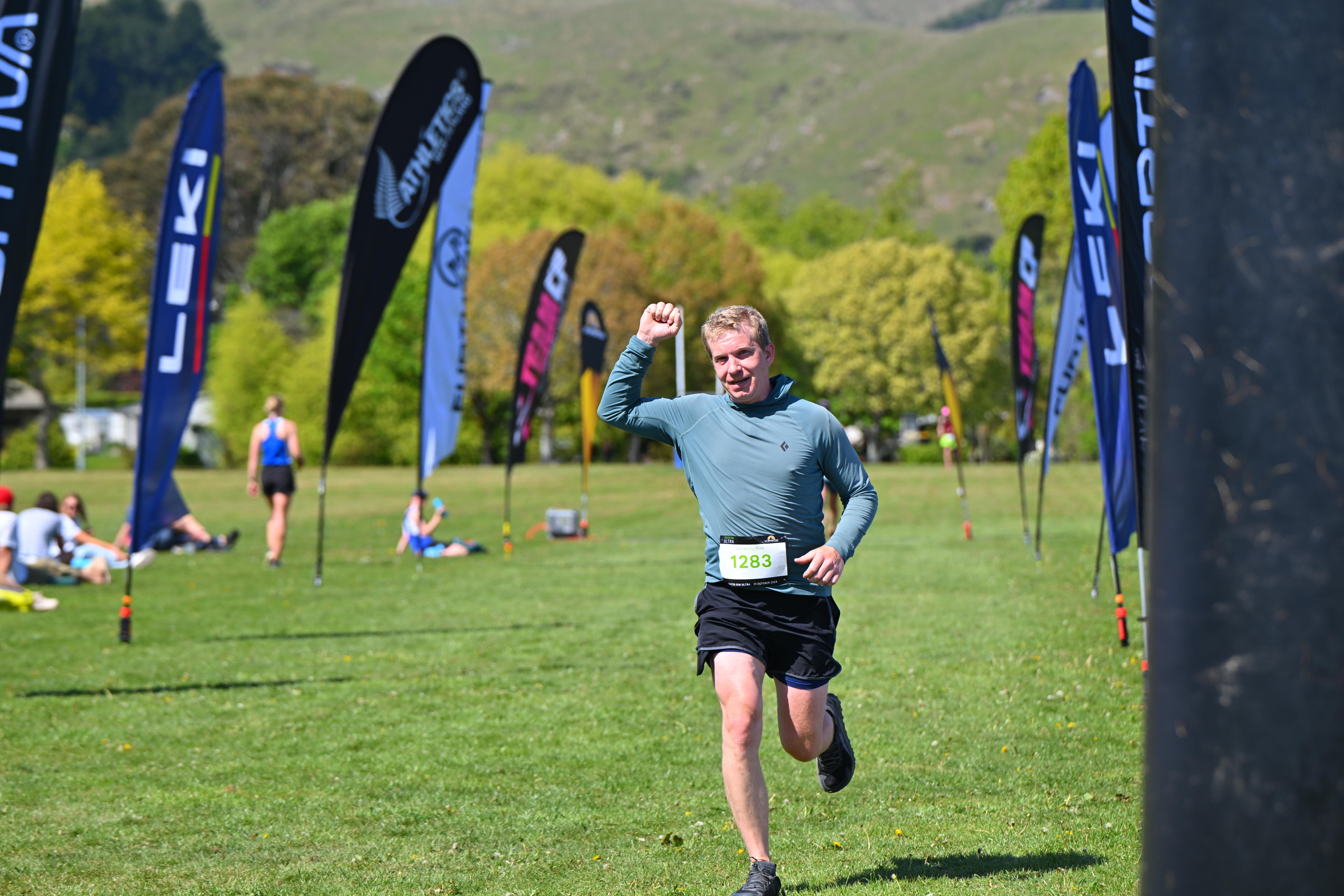
Abrahm running a trail race
Flow + pacing
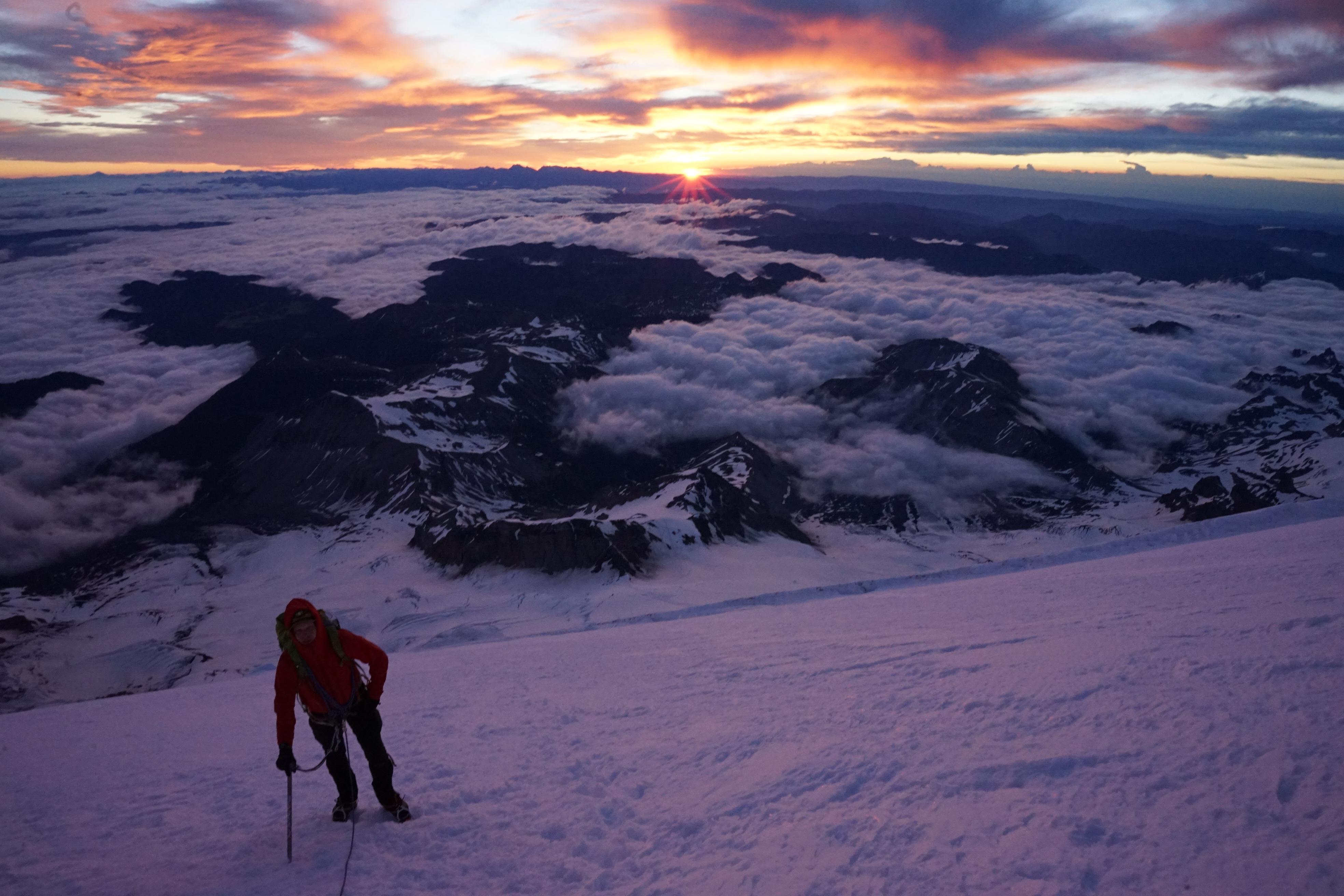
Abrahm on a climbing route
Risk + execution
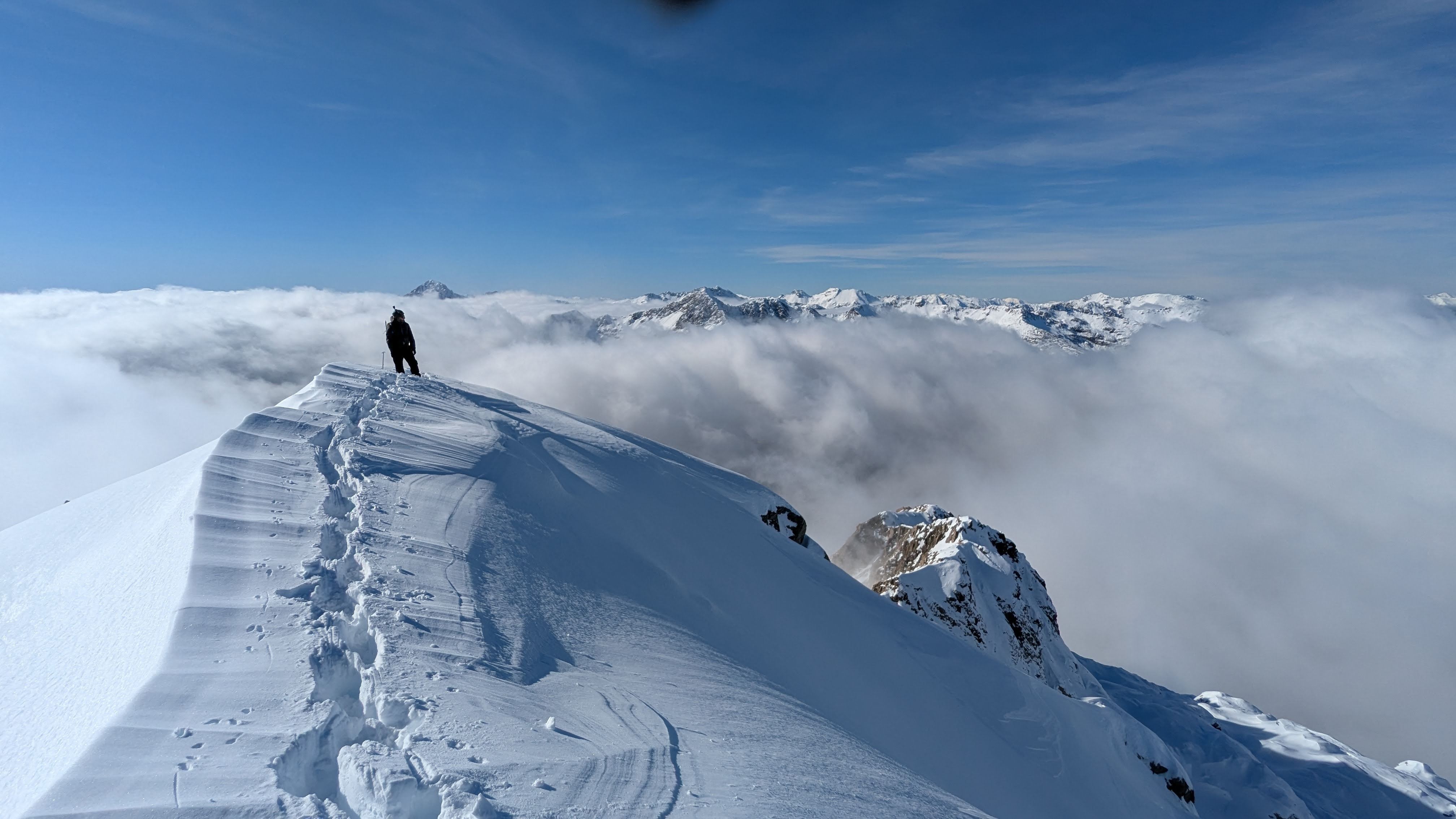
Mountain view at sunrise
Timing + weather windows
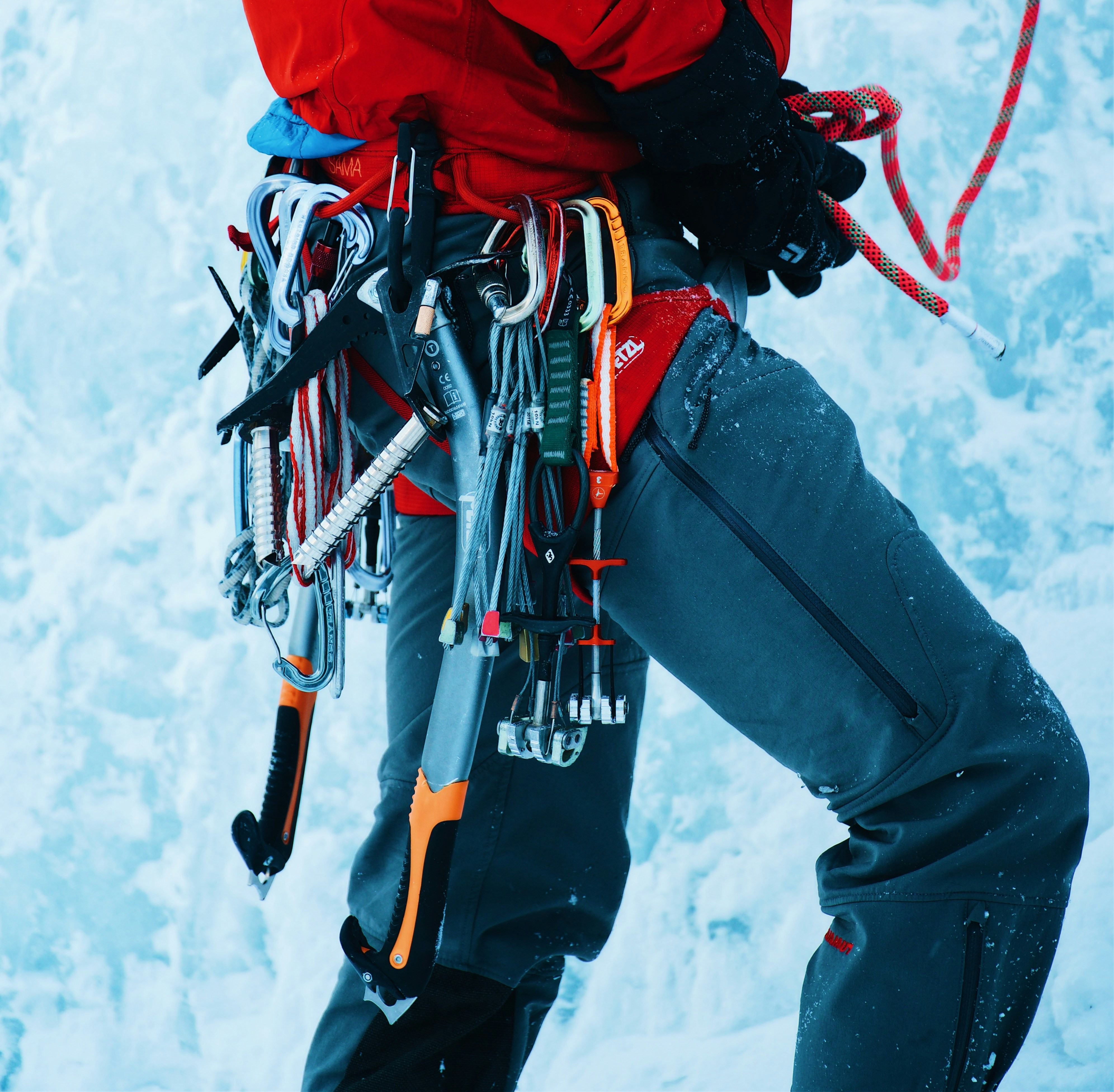
Gear laid out before a trip
Inventory + prep

Climbing = planning under uncertainty

Weather windows, route conditions, and objective hazards are real constraints. I like translating messy, changing information into a plan that’s safe, efficient, and adaptable.

Lead time

Forecasts, daylight, and turnaround times are the equivalent of upstream supply constraints.

Controls

Checks at key points: gear verification, route finding, partner communication, and conservative go/no-go criteria.

Failure modes

“What could break?” is the same question in a warehouse: access, weather, fatigue, equipment, timing.

Execution

Move deliberately, stay organized, and keep the plan simple enough to run when things change.

Trail running = flow, capacity, and consistency

Trail running is continuous improvement in motion—finding a sustainable pace, managing effort across elevation, and adjusting to conditions without losing momentum.

Throughput

Steady movement beats surges. It’s the same logic as smooth picking/packing vs. stop-start chaos.

Constraints

Elevation, footing, and weather create bottlenecks—plan around them instead of fighting them.

Feedback loops

Heart rate, breathing, and leg fatigue are real-time dashboards: adjust early, not after it breaks.

Recovery

Durability is a system: sleep, nutrition, consistency—same as preventive maintenance.

How I connect it back to logistics & inventory

The mountains are a small, personal version of operations: limited resources, changing conditions, and a strong need for accuracy. I treat outdoor planning like a lightweight supply chain.

Weather logistics

Lead times, “windows,” risk thresholds, and contingency routes—like planning around supplier variability.

Trail conditions

Surface, snow, and visibility become constraints that shift the plan, timing, and required equipment.

Transportation

Parking, access roads, shuttle timing, and turnaround targets—simple routing and timeboxing.

Gear + food inventory

Pack lists, redundancy where it matters, weight vs. utility tradeoffs, and “minimum viable kit.”